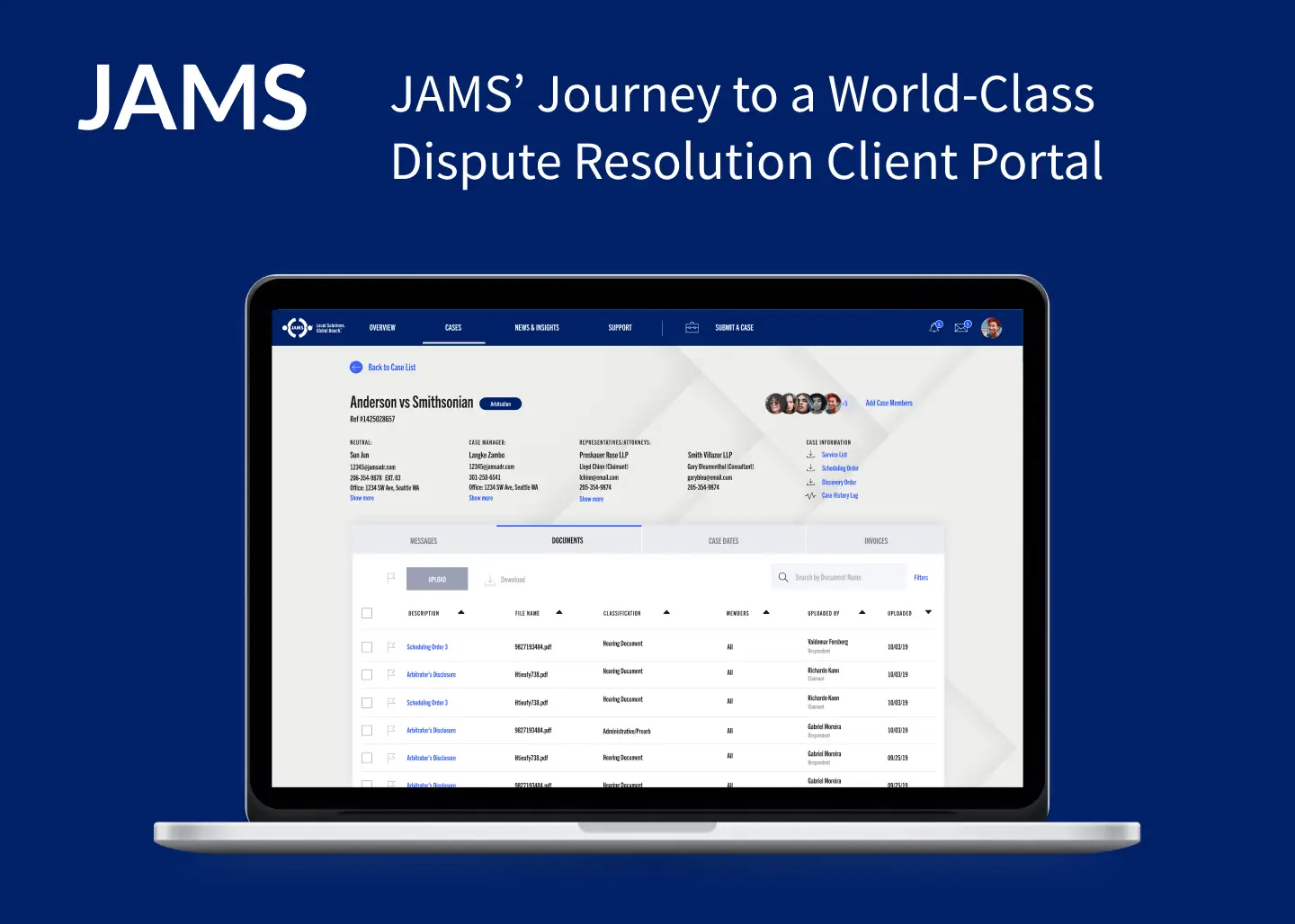


UX Modernization

Modernize the Digital Experiences Your Employees, Customers, and Partners Depend On

Many organizations rely on aging digital systems that still function but have become difficult to use, costly to maintain, and increasingly unable to meet modern user expectations.
UX Modernization helps organizations redesign and improve the digital experiences that support employees, customers, and partners without losing sight of the underlying business goals. Rather than focusing solely on visual updates, modernization addresses how people complete tasks, navigate workflows, access information, and interact with technology across the entire experience.

UpTop combines UX research, strategy, product design, and development to modernize digital products and enterprise applications in ways that improve usability, increase efficiency, strengthen adoption, and support long-term business growth. Our approach aligns user needs with business priorities to create digital experiences that are easier to use, easier to maintain, and better equipped to evolve with your organization.

The Challenge

Many organizations continue to rely on digital experiences that no longer reflect how employees work, how customers engage, or how the business operates today. Legacy applications, inconsistent interfaces, and fragmented workflows create unnecessary complexity that impacts both user satisfaction and operational performance.

Over time, organizations often add new features, technologies, and integrations without rethinking the overall experience. The result is digital products that become increasingly difficult to navigate, expensive to support, and challenging to scale.

UX Modernization helps organizations rethink these experiences by simplifying workflows, improving usability, and creating consistent interactions that better support users and business objectives.

Common challenges include:

  • Legacy applications that are difficult to use and maintain
  • Inconsistent user experiences across products, platforms, or departments
  • Low adoption of internal tools or customer-facing applications
  • Complex workflows that slow productivity and increase manual effort
  • Growing support requests caused by confusing interfaces
  • Difficulty modernizing technology without disrupting business operations
  • Fragmented experiences created through years of incremental updates
  • User expectations that exceed the capabilities of existing digital experiences

Benefits of UX Modernization

Benefits of UX Modernization

Improve employee, customer, and partner experiences
Increase adoption of digital products and enterprise applications
Streamline workflows to reduce friction and improve productivity
Create consistent experiences across platforms and devices
Reduce support costs by improving usability and task completion
Strengthen operational efficiency through better experience design
Modernize legacy applications without sacrificing business continuity
Build scalable digital experiences that support future growth

Our Approach

Our Approach

01

Understand Business Goals & User Needs

Collaborate with stakeholders to understand organizational objectives, business priorities, user needs, existing systems, and operational challenges that influence the experience.
02

Evaluate the Current Experience

Assess existing applications, workflows, navigation, information architecture, accessibility, and user interactions to identify usability issues, inconsistencies, and modernization opportunities.
03

Define the Modernization Strategy

Develop a prioritized roadmap that aligns business objectives, user needs, technical constraints, and implementation priorities while minimizing disruption to ongoing operations.
04

Redesign Key Experiences

Create modern, intuitive user experiences that simplify workflows, improve usability, establish consistency, and support efficient task completion across digital products.
05

Support Implementation & Continuous Improvement

Partner with development teams to bring designs to life, validate improvements through testing, and measure outcomes to ensure modernization efforts deliver meaningful business results.

Deliverables May Include

Deliverables May Include

UX Modernization Assessment
User Research Findings
Experience Audit
Workflow Analysis
Information Architecture Recommendations
UX Strategy and Modernization Roadmap
Wireframes and Interactive Prototypes
Visual Design System Recommendations
Accessibility Review
Development Collaboration and Design Specifications
Executive Readout and Stakeholder Presentation

Who This is For

Who This is For

UX Modernization is designed for organizations looking to improve digital experiences without simply replacing technology. Whether supporting employees, customers, or partners, this service helps organizations reduce friction, improve adoption, and create experiences that better support business operations.

It is particularly valuable for organizations modernizing enterprise applications, customer portals, self-service platforms, SaaS products, and other business-critical digital systems.

This service is particularly valuable for organizations that want to:
  • Modernize legacy applications and digital products
  • Improve employee productivity through better user experiences
  • Increase customer satisfaction and self-service adoption
  • Simplify complex workflows and business processes
  • Improve consistency across multiple digital products
  • Reduce support requests and training requirements
  • Align user experience improvements with modernization initiatives
  • Create scalable digital experiences that support long-term growth

Case Studies

Case Studies

Why UpTop

UpTop approaches UX Modernization as a business initiative rather than a visual redesign. We help organizations improve the digital experiences that enable employees to work efficiently, customers to accomplish their goals, and businesses to deliver services more effectively.

By combining UX research, strategy, product design, and development, we ensure modernization efforts are grounded in real user needs, aligned with business objectives, and built for long-term success.

The result is a modern digital experience that improves adoption, increases operational efficiency, reduces user friction, and creates a stronger foundation for future innovation.

Frequently Asked Questions

Frequently Asked Questions

UX Modernization is worth considering when an experience has become difficult to use or maintain, no longer supports current workflows, creates friction for users, limits adoption, or prevents the organization from responding effectively to changing business needs.

A redesign often focuses primarily on changing the interface or visual experience. UX Modernization takes a broader view of the experience, considering user needs, workflows, business objectives, technology, content, accessibility, and the systems and processes that shape how the experience works.

Not necessarily. Modernization may involve improving an experience on existing technology, selectively replacing outdated components, or moving to a new platform when the current technology creates significant limitations. The appropriate approach depends on your goals, constraints, and technical environment.

Yes. UX Modernization applies to employee tools, operational systems, portals, enterprise applications, and other internal experiences as well as customer-facing products. Improving these experiences can reduce friction, increase productivity, simplify workflows, and improve adoption.

UpTop evaluates user needs, business goals, experience problems, available evidence, technical constraints, dependencies, and potential impact. This helps identify and prioritize modernization opportunities rather than treating every part of an existing experience as equally important.

Yes. Many modernization initiatives are best approached incrementally. A phased strategy can address high-value or high-risk areas first while creating a roadmap for improving other parts of the experience over time.

User research provides evidence about how people currently use an experience, where they encounter problems, and what they actually need. These insights help ensure modernization decisions are based on real behavior and needs rather than assumptions about what should change.

Deliverables depend on the scope but may include experience assessments, user research findings, modernization opportunities, UX strategy, future-state concepts, prioritized recommendations, design solutions, and a roadmap for implementation.

Success measures are established around the goals of the initiative and may include usability, task completion, adoption, customer or employee satisfaction, efficiency, accessibility, conversion, support needs, or other relevant business and experience metrics.

Let's Talk

Let's Talk