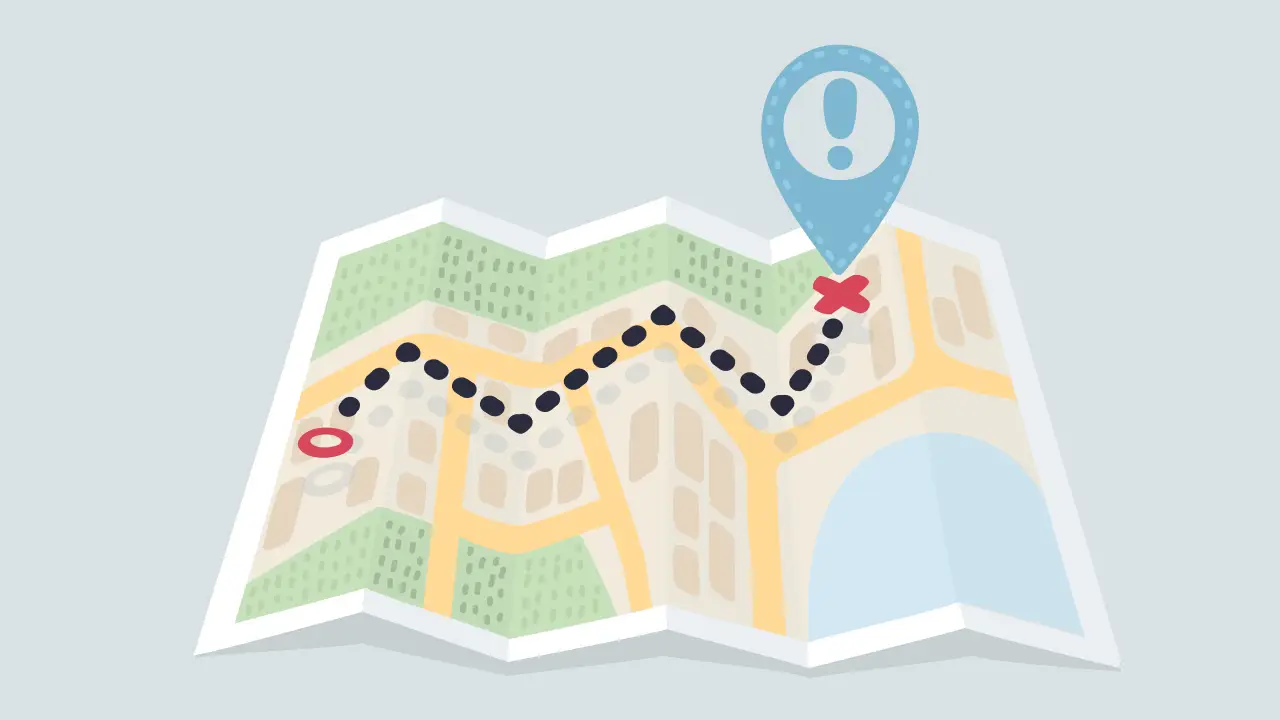


UpTop helps organizations uncover the complete picture. Through research, stakeholder collaboration, and experience mapping, we identify where experiences break down, where operational friction exists, and where investments will have the greatest impact. The result is a shared understanding of the current experience, greater alignment across teams, and a practical roadmap for improving both user experiences and business performance.
Identify Friction Across the Customer Journey
UpTop helps organizations uncover the complete picture. Through research, stakeholder collaboration, and experience mapping, we identify where experiences break down, where operational friction exists, and where investments will have the greatest impact. The result is a shared understanding of the current experience, greater alignment across teams, and a practical roadmap for improving both user experiences and business performance.
The Challenge
As organizations grow, new technologies, business processes, and organizational silos create fragmented experiences that frustrate users and reduce operational efficiency. Teams frequently optimize their own touchpoints without understanding how decisions affect the broader journey.
Without a holistic view of the experience, organizations risk investing in isolated improvements while larger issues remain unresolved.
Experience Mapping provides a shared view of the current experience, helping organizations identify opportunities that improve both user satisfaction and operational performance.
Common challenges include:
- Fragmented customer or employee experiences across channels
- Disconnected systems that create unnecessary effort
- Operational bottlenecks that slow service delivery
- Inconsistent experiences between departments or business units
- Limited visibility into user pain points across the full journey
- Manual processes that reduce productivity
- Difficulty prioritizing modernization initiatives
- Siloed teams with different perspectives on the user experience
Benefits of Experience Mapping
Our Approach
Our Approach
Define Objectives & Scope
Research the Current Experience
Map the End-to-End Experience
Identify Opportunities
Develop Improvements & Roadmap
Exploring Customer Journey Mapping for Healthcare Organizations
Deliverables May Include
Who This is For
Who This is For
This service is particularly valuable for organizations that want to:
- Improve customer or employee experiences
- Modernize complex service ecosystems
- Reduce operational friction and inefficiencies
- Improve cross-functional collaboration
- Better understand end-to-end workflows
- Prioritize experience improvements based on user needs
- Increase adoption of digital products and services
- Align modernization investments with business goals
Insights
Insights
Why UpTop
By combining user research, UX strategy, service design, workflow analysis, and modernization expertise, we uncover opportunities to improve experiences, streamline operations, and support digital transformation.
The result is greater organizational alignment, prioritized improvement opportunities, and more effective experiences for both users and the business.
Frequently Asked Questions
What is Experience Mapping?
Experience Mapping creates a visual representation of how customers or users interact with your organization across a journey. It brings together touchpoints, behaviors, needs, pain points, and other experience factors to provide a shared view of the end-to-end experience.
How is Experience Mapping different from a customer journey map?
A customer journey map typically focuses on a particular journey or scenario from the customer’s perspective. Experience Mapping can take a broader view across journeys, channels, touchpoints, and stages to help organizations understand how those interactions connect as part of the overall experience.
When should we use Experience Mapping?
Experience Mapping is useful when customers encounter fragmented or inconsistent experiences, when multiple channels or teams contribute to a journey, or when your organization needs a clearer understanding of where experience improvements should be prioritized.
What information goes into an Experience Map?
Depending on the engagement, an Experience Map may incorporate customer research, interviews, analytics, existing journey maps, touchpoints, behaviors, needs, pain points, channels, and internal stakeholder knowledge. The goal is to combine relevant evidence into a useful view of the experience.
Do we need existing customer research before creating an Experience Map?
No. Existing research and analytics can provide valuable inputs, but they are not required. UpTop can identify what evidence is already available, where important knowledge gaps exist, and what additional research may be needed to create a reliable map
Can Experience Mapping cover multiple channels and touchpoints?
Yes. Experience Mapping is particularly valuable when a journey spans websites, applications, customer service, sales, physical locations, communications, or other interactions. Mapping them together helps reveal gaps that may be difficult to see when each channel is considered separately.
How does Experience Mapping help identify modernization opportunities?
The map makes friction, unmet needs, disconnected touchpoints, and experience gaps visible across the journey. These findings can help teams determine where changes to digital experiences, processes, technology, or services could have the greatest impact.
What do we receive from an Experience Mapping engagement?
Deliverables may include current-state experience maps, customer journey maps, touchpoint inventories, research findings, identified pain points and opportunities, and prioritized recommendations or a roadmap for improving the experience.
Who should participate in Experience Mapping?
Participation often includes people from customer experience, product, UX, marketing, operations, technology, sales, or customer support. Involving teams that influence different parts of the journey helps create a more complete picture and builds shared understanding across the organization.
How is Experience Mapping different from Service Mapping?
Experience Mapping focuses primarily on what customers or users experience across their journey and interactions with an organization. Service Mapping goes behind that experience to examine the people, processes, systems, data, and operational dependencies that enable it.
Let's Talk
Let's Talk
Tell us about your project and we can discuss what journey mapping might look like for you.