

UpTop partners with organizations to design and implement secure, scalable integrations that support both current operations and future modernization initiatives. By combining technology strategy, architecture, development, and user-centered thinking, we create connected digital ecosystems that improve efficiency, reduce manual effort, and enable better experiences for employees and customers alike.
Connect Systems, Data, and Workflows to Deliver More Connected Digital Experiences
UpTop partners with organizations to design and implement secure, scalable integrations that support both current operations and future modernization initiatives. By combining technology strategy, architecture, development, and user-centered thinking, we create connected digital ecosystems that improve efficiency, reduce manual effort, and enable better experiences for employees and customers alike.
The Challenge
Legacy systems, disconnected applications, and inconsistent integration strategies create operational friction that slows innovation and increases maintenance costs. As organizations modernize, the lack of flexible APIs and scalable backend services can make even small improvements difficult to implement.
Without a modern integration strategy, organizations risk limiting automation opportunities, increasing technical debt, and delivering inconsistent digital experiences.
Common challenges include:
- Business data is spread across disconnected systems
- Employees manually enter or transfer information between applications
- Legacy systems lack modern integration capabilities
- Inconsistent or duplicate data creates operational inefficiencies
- Customer and employee experiences are fragmented across platforms
- Existing APIs are difficult to maintain or scale
- New digital products require complex custom integrations
- Backend systems slow modernization initiatives and innovation
Benefits of Backend Integration & API Enablement
Our Approach
Our Approach
Assess Systems and Integration Opportunities
Design Integration Architecture
Develop APIs and Backend Services
Validate Performance and Reliability
Support Support Implementation and Evolution
Deliverables May Include
Who This is For
Who This is For
Rather than treating integrations as isolated technical projects, we develop backend architectures that support long-term business agility, improve data accessibility, and enable more connected digital experiences.
This service is particularly valuable for organizations that want to:
- Connect legacy and modern business systems
- Modernize backend infrastructure without replacing core platforms
- Enable customer portals, employee applications, or digital products
- Automate business workflows across departments
- Improve data consistency and reporting
- Reduce manual processes and operational inefficiencies
- Support cloud migration and platform modernization
- Build scalable APIs for future products and services
Insights
Insights
Why UpTop
By combining technology strategy, UX expertise, architecture, and software development, we ensure integrations support both technical performance and the people who rely on connected systems every day.
The result is a connected technology ecosystem that improves operational efficiency, enables better digital experiences, and provides a flexible foundation for future innovation.
Frequently Asked Questions
What is Backend Integration & API Enablement?
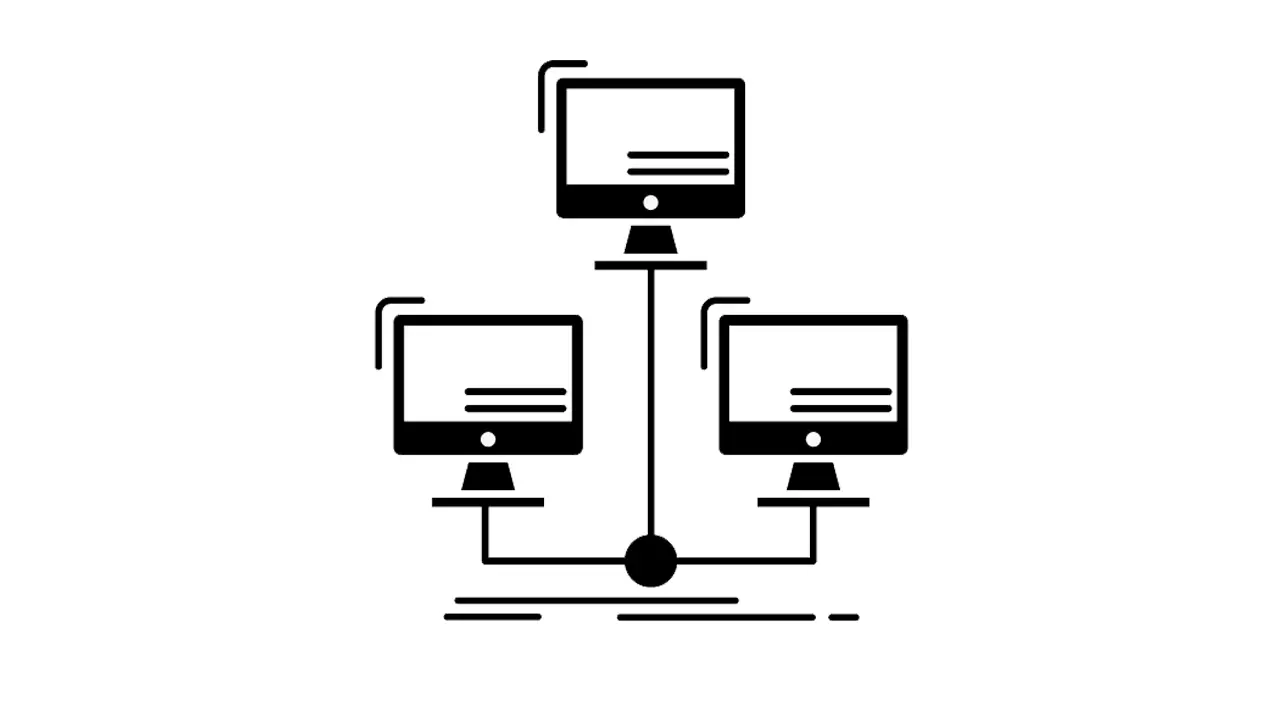
Backend Integration & API Enablement connects applications, systems, and data through APIs and backend services, allowing information to move securely and efficiently across your technology ecosystem.
How do we know if our systems need better integration?
Signs include manual data entry, duplicate information across systems, inconsistent customer experiences, disconnected workflows, slow reporting, and difficulty introducing new digital capabilities.
Can you integrate with our existing legacy systems?
Yes. Many organizations continue to rely on legacy platforms. We develop integration strategies that extend the value of existing systems while supporting modernization efforts through APIs, middleware, and custom backend services.
What types of systems can you integrate?
We work with CRMs, ERPs, customer portals, employee applications, CMS platforms, cloud services, third-party SaaS products, proprietary business systems, and other enterprise technologies.
Do you develop custom APIs?
Yes. We design and develop secure REST and GraphQL APIs, backend services, and integration layers that support internal applications, partner ecosystems, and customer-facing digital products.
How do you ensure integrations are secure?
We implement modern authentication, authorization, encryption, API governance, monitoring, and security best practices to protect data and maintain system integrity.
What deliverables should we expect?
Deliverables typically include integration strategies, API specifications, backend services, architecture documentation, implementation plans, testing results, security recommendations, and technical documentation.
Can you work alongside our internal development team?
Absolutely. We frequently collaborate with internal engineering, product, and IT teams by providing architecture guidance, implementation support, and additional development capacity.
How do you measure success?
Success is measured through reduced manual effort, improved system reliability, faster workflow execution, increased data accuracy, reduced operational costs, improved user experiences, and greater scalability.
How can backend integration improve the user experience?
Backend integration can improve the user experience by connecting systems, data, and workflows that would otherwise operate separately. This can reduce duplicate data entry, eliminate unnecessary steps, provide more consistent information across touchpoints, and enable smoother digital experiences for both customers and employees.
Let's Talk
Let's Talk
Tell us about your project and we can discuss what journey mapping might look like for you.