
Front-End Modernization & UI Engineering

Modernize Digital Interfaces That Improve Performance, Usability, & Long-Term Scalability

Many organizations rely on legacy digital applications with outdated front-end technologies and inconsistent interfaces that create user friction, slow development, and make it harder to deliver new capabilities.
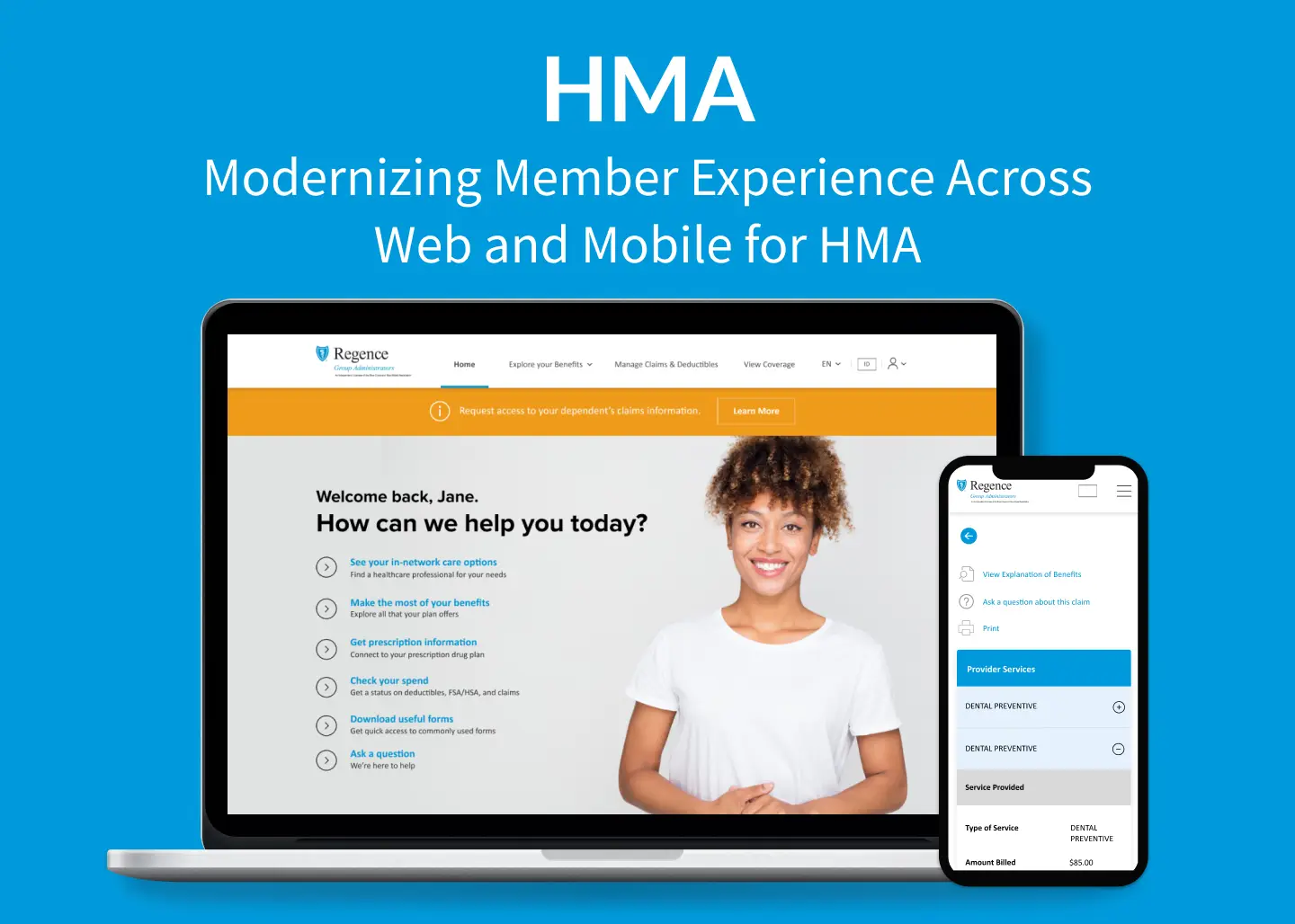
Front-End Modernization & UI Engineering helps organizations transform aging interfaces into modern, responsive digital experiences that improve usability, accessibility, performance, and maintainability. By combining scalable front-end architecture with user-centered design, organizations can deliver experiences that are easier to use, faster to evolve, and better aligned with today's business expectations.

UpTop partners with organizations to modernize the presentation layer of digital products while preserving valuable business logic and backend investments. Through UX design, front-end engineering, accessibility best practices, and component-based development, we create intuitive user interfaces that improve adoption, simplify maintenance, and establish a foundation for continuous innovation.

The Challenge

Legacy user interfaces often become a barrier to growth. As business requirements evolve, organizations frequently layer new functionality onto aging applications that were never designed to support modern user expectations. The result is inconsistent experiences, technical debt, and front-end architectures that are increasingly difficult to maintain.

Older interfaces can also limit accessibility, perform poorly across modern devices, and create inconsistent experiences across products and business units. Development teams spend more time maintaining legacy code than delivering new capabilities, while users struggle with outdated workflows that reduce productivity and satisfaction.

Modernizing the front end allows organizations to improve the user experience without necessarily replacing core business systems. By separating presentation from backend functionality and adopting modern UI engineering practices, organizations can extend the value of existing platforms while preparing for future modernization efforts.

Common challenges include:

  • Legacy interfaces that feel outdated and difficult to use
  • Inconsistent user experiences across applications and platforms
  • Front-end code that is difficult to maintain or extend
  • Slow application performance and long page load times
  • Limited mobile responsiveness across devices
  • Accessibility gaps that create compliance and usability risks
  • Design inconsistencies caused by fragmented UI components
  • Technical debt that slows product development
  • Difficulty integrating modern technologies with legacy systems
  • Rising maintenance costs for aging front-end frameworks

Benefits of Front-End Modernization & UI Engineering

Benefits of Front-End Modernization & UI Engineering

Modernize digital experiences without replacing core business systems
Improve usability through intuitive, user-centered interfaces
Increase accessibility and support inclusive digital experiences
Enhance performance, responsiveness, and application speed
Create reusable UI components that accelerate development
Reduce technical debt and simplify ongoing maintenance
Enable faster feature delivery through scalable front-end architecture
Increase user adoption and satisfaction
Establish a foundation for future product modernization

Our Approach

Our Approach

01

Assess the Current Experience

We evaluate existing interfaces, front-end architecture, technical constraints, usability issues, accessibility, and performance to identify modernization opportunities.
02

Define the Modernization Strategy

Working with business, product, design, and engineering teams, we prioritize improvements that balance user needs, technical feasibility, and organizational goals.
03

Design Modern User Interfaces

Our UX and UI designers create intuitive, responsive experiences supported by scalable design systems and reusable interface patterns that improve consistency across products.
04

Engineer the Front End

Using modern frameworks and component-based development practices, we build performant, maintainable user interfaces that integrate seamlessly with existing platforms and services.
05

Validate & Optimize

Through usability testing, accessibility reviews, performance optimization, and iterative refinement, we ensure the modernized experience delivers measurable improvements before and after launch.

Deliverables May Include

Deliverables May Include

Front-End Modernization Strategy
UI Architecture Assessment
UX and UI Design Recommendations
Responsive Interface Designs
Design System and Component Library
Reusable UI Components
Accessibility Assessment and Remediation Guidance
Front-End Engineering Implementation
Performance Optimization Recommendations
Modern Framework Migration Guidance
Technical Documentation
Implementation Roadmap

Who This is For

Who This is For

Front-End Modernization & UI Engineering is ideal for organizations whose digital products deliver valuable business functionality but no longer meet modern expectations for usability, accessibility, or performance. Whether supporting customer-facing applications, employee platforms, or enterprise software, this service helps organizations modernize the experience layer while maximizing existing technology investments.

Rather than replacing entire systems, we focus on transforming the interface users interact with every day, creating experiences that improve adoption while making future enhancements faster and more efficient.

This service is particularly valuable for organizations that want to:
  • Modernize legacy web applications
  • Refresh outdated customer or employee portals
  • Improve accessibility and regulatory compliance
  • Increase application performance and responsiveness
  • Standardize user experiences across products
  • Reduce front-end technical debt
  • Accelerate product development through reusable components
  • Extend the life of existing enterprise platforms
  • Prepare applications for future modernization initiatives

Case Studies

Case Studies

Why UpTop

UpTop approaches front-end modernization as both a technical and business initiative. Modern interfaces improve more than appearance. They help employees work more efficiently, encourage customer adoption, reduce maintenance effort, and create digital products that are easier to evolve over time.

By combining UX research, product design, front-end engineering, accessibility expertise, and modern development practices, we deliver experiences that balance user needs with technical scalability and long-term business value.

The result is a modern digital experience that users enjoy, development teams can efficiently maintain, and organizations can confidently scale.

Frequently Asked Questions

Frequently Asked Questions

A full rebuild replaces the entire application. Front-end modernization focuses on improving the user interface while preserving existing backend systems and business logic whenever possible, reducing cost and implementation risk.

Yes. Many organizations choose to modernize the presentation layer while continuing to use proven backend platforms. This allows them to improve user experiences without disrupting core business operations.

Our approach is technology agnostic. We work with modern frameworks, component libraries, design systems, and enterprise architectures based on each organization's technology strategy and business goals.

In many cases, yes. Modern front-end architectures, optimized assets, efficient rendering, and improved code structures can significantly enhance responsiveness and load times.

Accessibility is integrated throughout our process. We evaluate existing interfaces, identify compliance gaps, and design and develop experiences that support recognized accessibility standards and inclusive user experiences.

Absolutely. We frequently collaborate with internal product, engineering, and UX teams by providing strategy, design, engineering support, or specialized expertise throughout modernization initiatives.

Typical deliverables include modernization assessments, UI designs, design systems, reusable component libraries, front-end engineering, accessibility recommendations, implementation guidance, and technical documentation.

Success is measured through improved usability, increased adoption, faster task completion, improved accessibility, better application performance, reduced maintenance effort, faster development cycles, and higher user satisfaction.

Not necessarily. Front-end modernization can often be approached incrementally, allowing you to improve high-priority interfaces, workflows, or components while preserving backend systems that still provide value. We help determine where targeted improvements make sense and where a larger rebuild may deliver better long-term performance, maintainability, and scalability.

Let's Talk

Let's Talk