
Modernization of Legacy Applications

Modernize Legacy Applications for Better Performance and Growth

Many organizations rely on legacy applications that are increasingly difficult to maintain, scale, and modernize due to aging architectures, outdated user experiences, and growing technical debt.
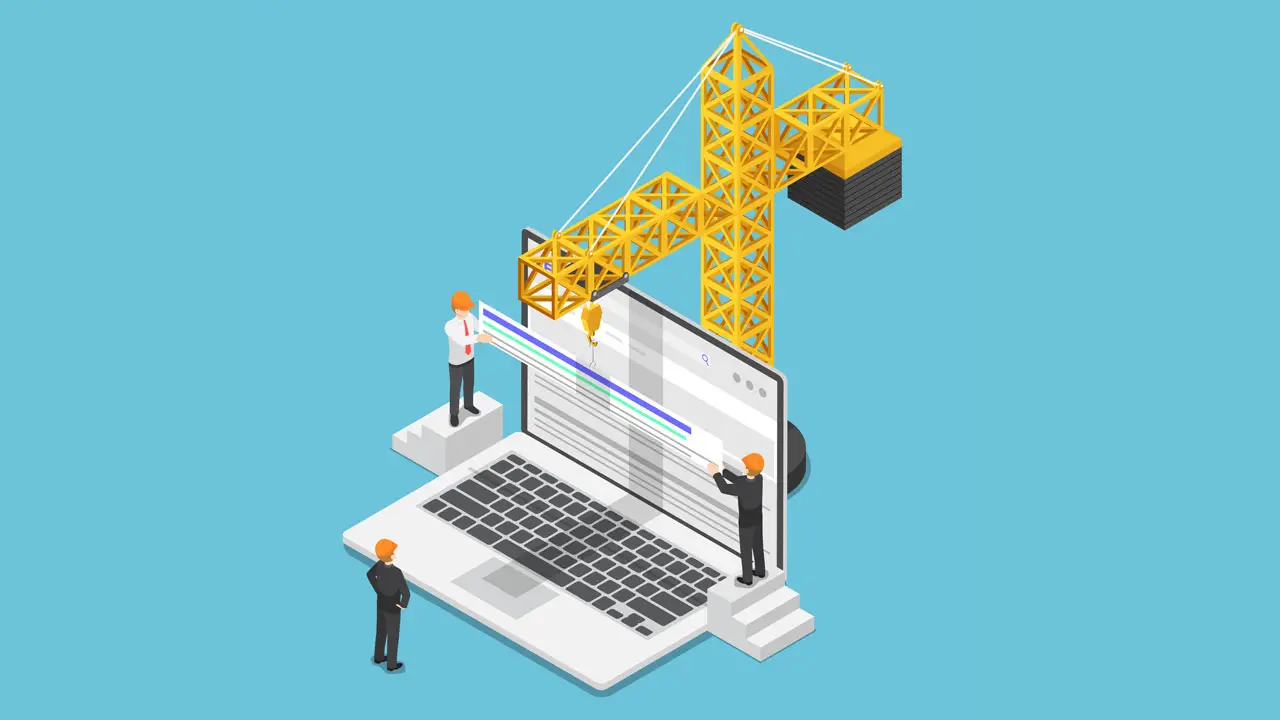
Modernization of Legacy Applications helps organizations extend the value of their existing technology investments by improving application architecture, user experience, integrations, and performance without requiring a complete replacement. Rather than rebuilding everything from scratch, organizations can modernize strategically, reducing risk while increasing flexibility and long-term maintainability.

UpTop partners with organizations to modernize business-critical applications through research, UX strategy, software architecture, design, and development. We help organizations preserve what works, improve what doesn't, and create modern applications that are easier to use, easier to maintain, and better equipped to support future growth. 
The Challenge

Many legacy applications continue to power essential business processes, but years of incremental updates, outdated technologies, and evolving business requirements often leave organizations with systems that no longer meet operational needs. Employees struggle with inefficient workflows, customers encounter frustrating experiences, and technology teams spend more time maintaining aging infrastructure than delivering innovation.

Replacing an entire application is rarely practical. Large-scale rewrites introduce significant cost, operational risk, and business disruption. Organizations instead need a modernization strategy that improves the application while allowing day-to-day operations to continue uninterrupted.

Without modernization, technical debt continues to grow, security risks increase, development slows, and organizations struggle to adapt to changing business demands.

Common challenges include:

  • Legacy applications are difficult and expensive to maintain
  • Outdated user interfaces reduce employee productivity and customer satisfaction
  • Aging architectures limit scalability and system performance
  • Technical debt slows development and increases operational risk
  • Security vulnerabilities become more difficult to address
  • Legacy technologies make it difficult to integrate with modern platforms
  • Business processes rely on inefficient manual workarounds
  • Modernization initiatives feel too risky or disruptive to begin

Benefits of Modernization of Legacy Applications   

Benefits of Modernization of Legacy Applications   

Extend the value of existing technology investments
Improve application performance, reliability, and scalability
Modernize user experiences to increase adoption and productivity
Reduce technical debt and ongoing maintenance costs
Strengthen security and regulatory compliance
Improve integration with modern platforms and cloud services
Enable faster feature development and business agility
Modernize incrementally without disrupting daily operations

Our Approach

Our Approach

01

Assess Existing Applications

We evaluate application architecture, technical debt, business workflows, user experience, infrastructure, and operational dependencies to identify modernization priorities and opportunities.
02

Define the Modernization Strategy

Working closely with stakeholders, we develop a phased modernization roadmap that balances business priorities, technical risk, investment, and organizational readiness.
03

Modernize Architecture & User Experience

We improve application architecture, redesign workflows, modernize interfaces, and update supporting technologies to create faster, more intuitive, and maintainable applications.
04

Enhance Performance & Integrations

We optimize application performance, strengthen security, improve scalability, and modernize integrations with APIs, cloud services, and other enterprise systems.
05

Support Ongoing Evolution

Modernization is an ongoing process. We help organizations implement enhancements, measure outcomes, and continue evolving applications as business needs change.

Deliverables May Include

Deliverables May Include

Legacy Application Assessment
Modernization Strategy and Roadmap
Architecture Review and Recommendations
UX Research and Workflow Analysis
User Interface Modernization
Application Refactoring and Development
API and Integration Strategy
Performance Optimization Plan
Security and Risk Assessment
Cloud Readiness Recommendations
Technical Documentation
Implementation and Release Planning

Who This is For

Who This is For

Modernization of Legacy Applications is designed for organizations that depend on existing business applications but need them to better support today's operational demands. Whether improving internal business systems, customer-facing applications, or enterprise platforms, this service helps organizations modernize technology while protecting existing investments.

Rather than recommending complete replacement, UpTop focuses on practical modernization strategies that improve usability, maintainability, performance, and scalability while minimizing operational disruption.

This service is particularly valuable for organizations that want to:
  • Extend the lifespan of critical business applications
  • Improve employee productivity through better workflows
  • Modernize customer-facing digital experiences
  • Reduce technical debt and maintenance costs
  • Improve application performance and reliability
  • Prepare applications for cloud migration
  • Improve security and compliance
  • Support future innovation without replacing core systems

Case Studies

Case Studies

Why UpTop

UpTop approaches legacy modernization as a business initiative that improves operational efficiency, user adoption, and long-term agility, not simply a software upgrade.

By combining UX research, product strategy, software architecture, design, and development, we modernize the applications people rely on every day while balancing technical improvements with user needs and business goals.

The result is a modern application ecosystem that reduces technical debt, improves user experiences, and provides a scalable foundation for future growth.

Frequently Asked Questions

Frequently Asked Questions

If your application still supports critical business processes but suffers from performance issues, poor usability, technical debt, or scalability challenges, modernization is often a more cost-effective and lower-risk alternative to complete replacement.

Yes. We use phased modernization strategies that prioritize business continuity, allowing organizations to improve applications incrementally while maintaining ongoing operations.

We modernize internal business applications, customer portals, employee systems, enterprise platforms, line-of-business applications, legacy web applications, and custom software.

Absolutely. Modernization includes evaluating workflows, usability, accessibility, and interface design to create applications that are easier for employees and customers to use.

Yes. We frequently modernize applications while maintaining integrations with existing business systems, adding APIs and integration layers where needed to improve interoperability.

Deliverables typically include application assessments, modernization roadmaps, architecture recommendations, UX improvements, implementation plans, development deliverables, security recommendations, technical documentation, and deployment guidance.

Yes. We regularly partner with internal engineering, product, and IT teams by providing strategy, architecture, UX expertise, development support, and modernization guidance throughout implementation.

Success is measured through improved application performance, increased user adoption, faster workflows, reduced maintenance costs, improved system reliability, enhanced security, reduced technical debt, and greater scalability.

Yes. Legacy modernization doesn’t mean discarding the processes, data, and business rules that still provide value. We assess the existing application to identify what should be preserved, improved, replaced, or retired, then plan the modernization approach around those requirements. The goal is to reduce legacy constraints while protecting the functionality and information your organization still depends on.

Let's Talk

Let's Talk