


UpTop partners with organizations to evaluate existing digital experiences, understand user mental models, and design navigation systems that support both current business needs and long-term growth. Through UX research, content strategy, information architecture, and interaction design, we create structures that improve discoverability, increase efficiency, and make digital products easier to use and maintain.
Organize Information So People Can Find What They Need and Complete Tasks with Confidence
UpTop partners with organizations to evaluate existing digital experiences, understand user mental models, and design navigation systems that support both current business needs and long-term growth. Through UX research, content strategy, information architecture, and interaction design, we create structures that improve discoverability, increase efficiency, and make digital products easier to use and maintain.
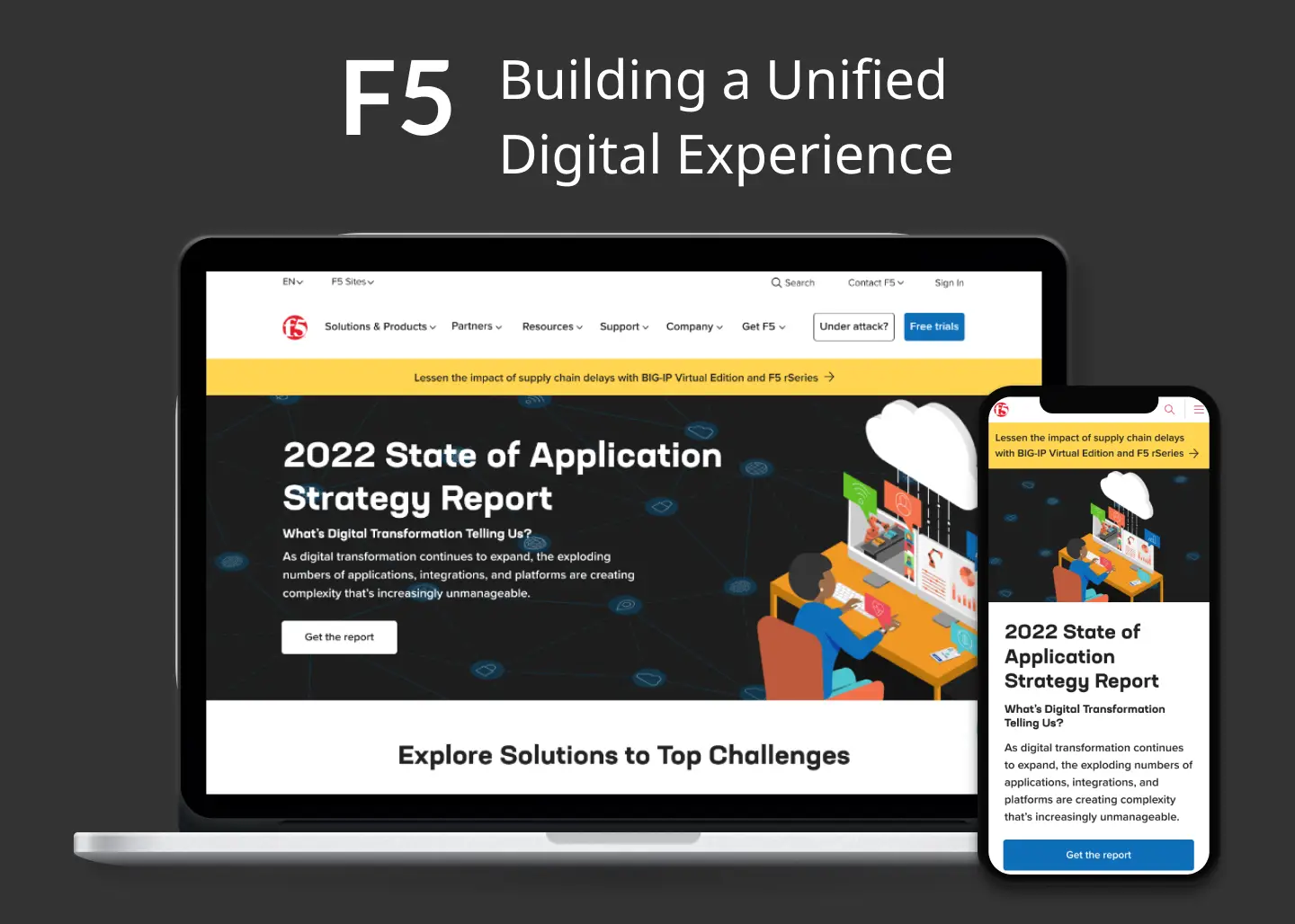
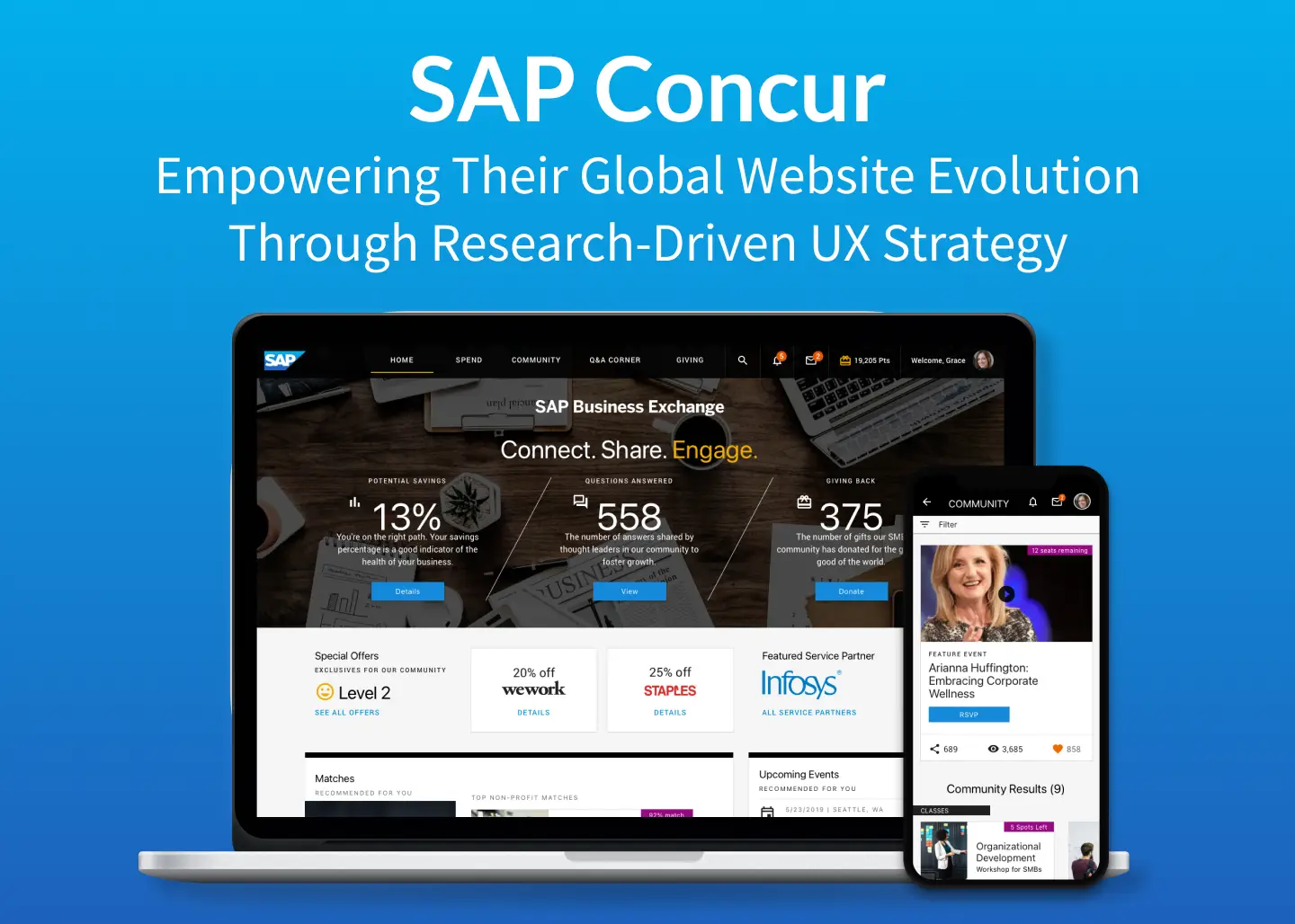
The Challenge
When navigation is driven by internal organizational structures instead of user needs, people spend more time searching, make more mistakes, and rely on support channels for help. As products continue to evolve, poorly organized information also becomes more difficult and expensive to maintain.
Without a thoughtful information architecture, organizations risk creating experiences that slow productivity, reduce customer satisfaction, and limit future modernization efforts.
Common challenges include:
- Users struggle to find information, tools, or services
- Navigation reflects internal departments instead of user goals
- Content has grown without a consistent organizational structure
- Duplicate or outdated content creates confusion
- Complex workflows require excessive navigation between screens
- Inconsistent navigation across products or business units
- Difficulty scaling navigation as products and services expand
- Increased support requests caused by poor findability
Benefits of Navigation & Information Architecture
Our Approach
Our Approach
Understand Users & Content
Assess Information Architecture
Design Navigation Systems
Validate with Users
Support Implementation
Deliverables May Include
Who This is For
Who This is For
Rather than reorganizing content based solely on internal structures, we design navigation systems that reflect how people actually think, search, and accomplish their goals.
This service is particularly valuable for organizations that want to:
- Modernize websites, portals, or business applications
- Simplify complex navigation structures
- Improve findability across large content libraries
- Support product redesign or platform modernization
- Consolidate multiple digital products into a unified experience
- Improve employee productivity through better information access
- Increase customer self-service success
- Build scalable navigation for future growth
Insights
Insights
Why UpTop
By combining UX research, content strategy, product design, and development expertise, we create navigation systems that improve usability today while supporting long-term modernization initiatives.
The result is a digital experience that is easier to navigate, easier to maintain, and better aligned with the way people actually work.
Frequently Asked Questions
What is Navigation & Information Architecture?
Navigation & Information Architecture is the practice of organizing content, features, and functionality so users can easily understand where information lives, navigate digital products efficiently, and complete tasks with confidence.
How do you know if our navigation needs improvement?
Common indicators include users struggling to find information, increased support requests, poor search performance, confusing menus, inconsistent navigation across products, or declining usability metrics.
What research methods do you use?
We use UX research methods such as stakeholder interviews, user interviews, content audits, analytics reviews, card sorting, tree testing, usability testing, and workflow analysis to understand how users interact with information.
Can this work with an existing website or application?
Yes. Many engagements focus on improving existing navigation structures without requiring a complete redesign, allowing organizations to modernize incrementally.
How is information architecture different from navigation design?
Information architecture defines how information is organized and related. Navigation design determines how users move through that structure. Together they create an intuitive user experience.
Can this support large enterprise platforms?
Absolutely. Enterprise applications, customer portals, intranets, and complex business systems often benefit significantly from improved information architecture that reduces complexity and improves efficiency.
What deliverables should we expect?
Deliverables typically include information architecture recommendations, site maps, navigation models, taxonomy recommendations, content organization strategies, wireframes, usability findings, and implementation guidance.
How do you validate that the new structure works?
We validate proposed navigation through methods such as card sorting, tree testing, usability testing, prototype evaluations, and stakeholder feedback before implementation.
How do you measure success?
Success is measured through improved task completion, reduced time to find information, increased adoption, lower support volumes, higher user satisfaction, and improved operational efficiency.
Can you improve our navigation without redesigning our entire website or application?
Yes. Navigation and information architecture can often be improved without a complete redesign. We can restructure menus, reorganize content, clarify labels, and improve pathways within an existing experience. When broader design changes would provide additional value, we can identify those opportunities separately and help prioritize them.
Let's Talk
Let's Talk
Tell us about your project and we can discuss what journey mapping might look like for you.